
Guardian Storage Blog
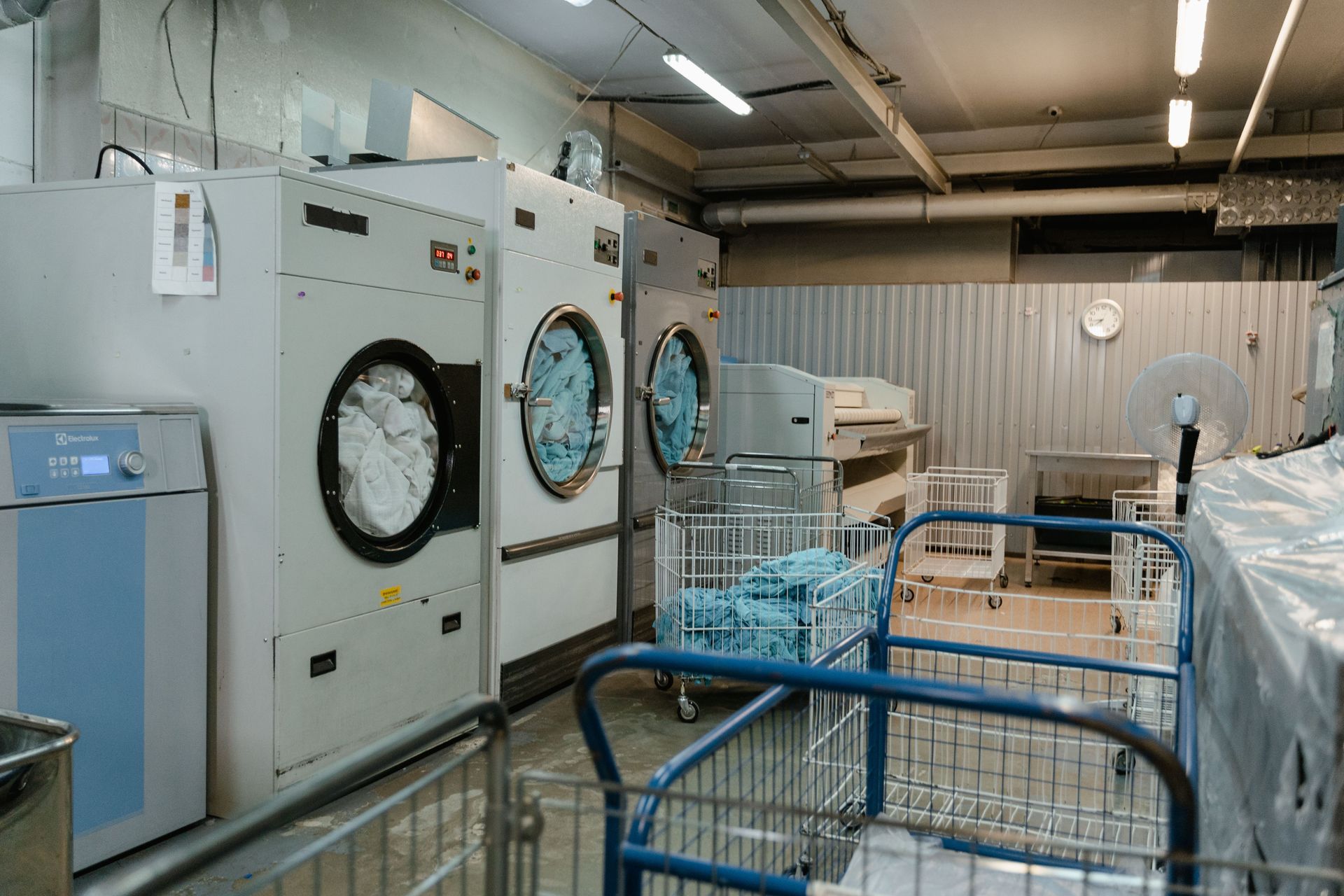
Learn how to properly clean, prepare, move, and store a washing machine to prevent mold, rust, and damage.

Make every square foot count with these 10 expert storage tips. Learn how to organize, protect, and maximize your storage unit space in Mount Airy, NC.

Follow this in-depth moving and storage checklist to stay organized, reduce stress, and settle into your new home in Mount Airy, NC with ease.

Learn how to store a couch in a storage unit with expert tips on cleaning, packing, and protecting furniture. Ideal for Mount Airy, NC storage needs.
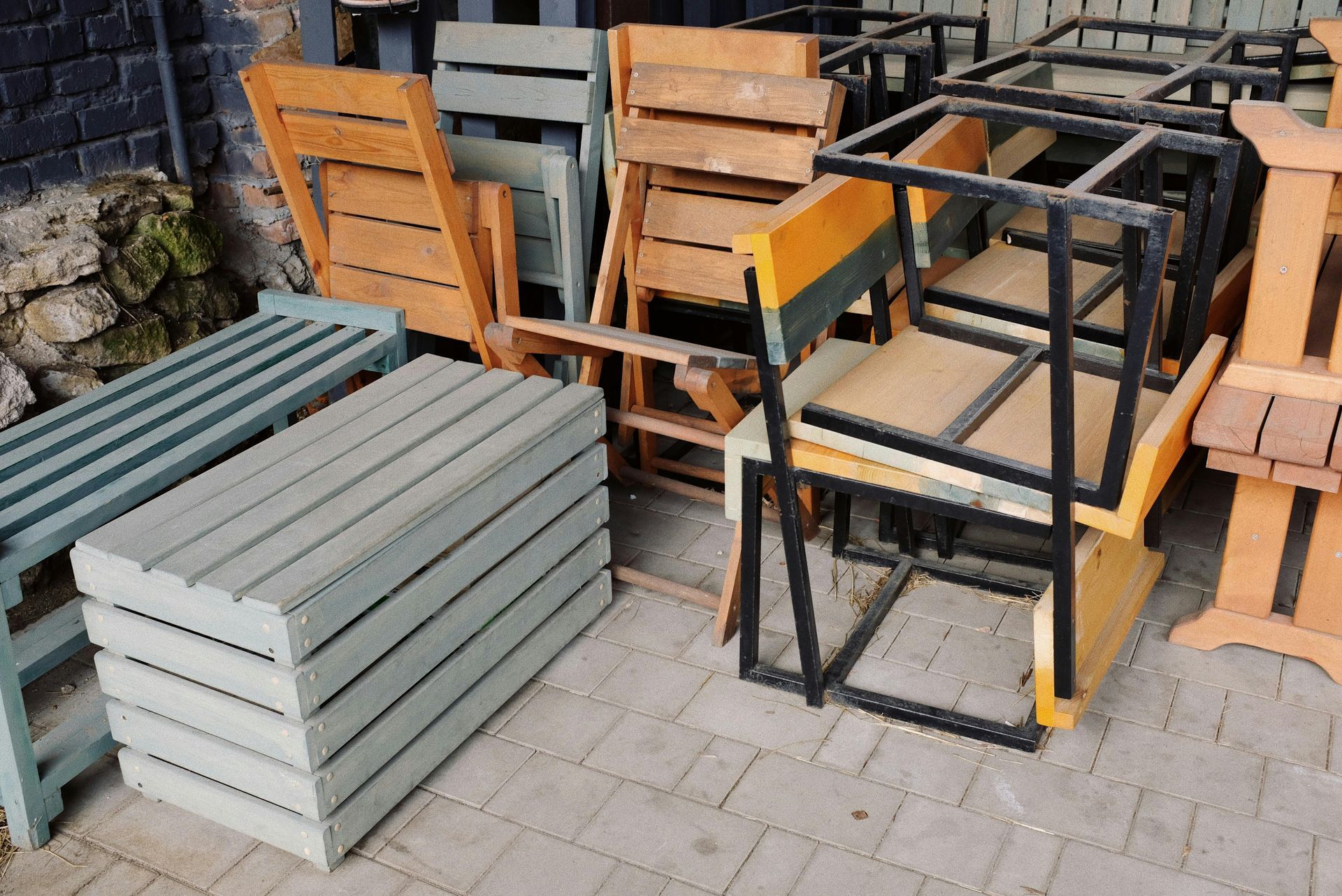
Learn how to store wood furniture without climate control in Mount Airy, NC. Discover expert tips to prevent warping, moisture damage, and long-term wear.
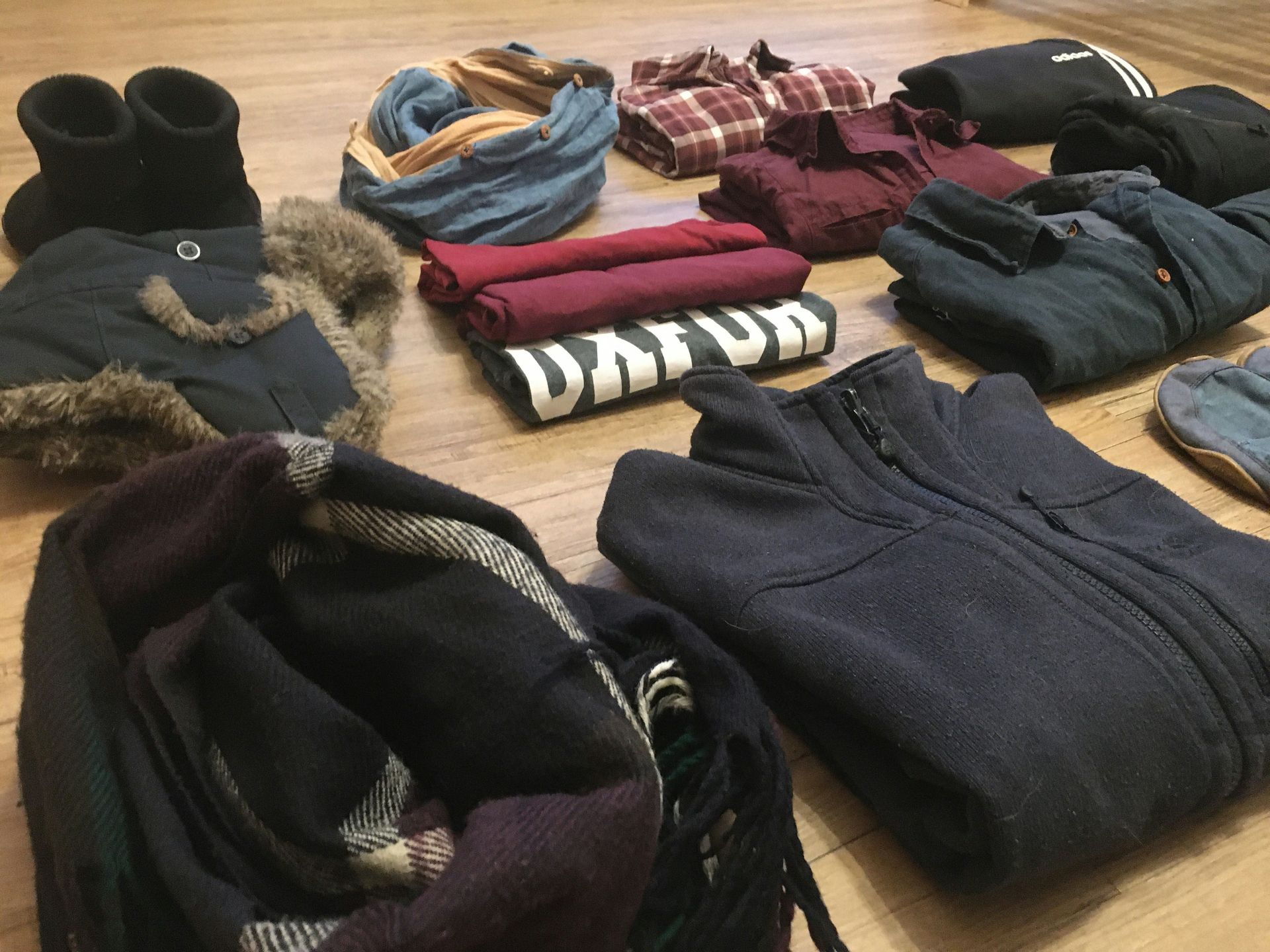
When summer rolls around, it’s time to swap out snow boots for flip-flops, snowblowers for lawnmowers, and bulky jackets for breezy tees. But all that winter gear still needs a home, and cramming it into your garage or basement can quickly create chaos. That’s where seasonal storage solutions come in. In this post, we’ll walk you through what winter items you can store in the summer, how to store them properly, and why choosing a self storage unit can be a smart move. Here’s the Quick Version Bulky winter coats, boots, and snow gear can be packed away to instantly free up closet and garage space during warmer months Skis, snowboards, sleds, and ice skates last longer when they’re cleaned, dried, and stored in a protected environment instead of a humid garage Holiday decorations and artificial trees stay organized and easier to find next season when stored in labeled bins Vacuum-sealed bags and plastic containers help protect winter fabrics from dust, moisture, and pests while in storage Climate-controlled storage helps prevent heat and humidity damage to leather items, winter clothing, and sensitive seasonal equipment Why Store Winter Items During the Summer? Think about all the items you only use for a few months out of the year: snow shovels, coats, snowboards, decorations, and more. Keeping them out when they’re not needed takes up valuable space and creates unnecessary clutter. Here are a few great reasons to store your winter gear during the off-season: Free Up Garage or Closet Space: Make room for summer equipment like bikes, lawn tools, and patio furniture. Protect Expensive Gear: Avoid leaving valuable items in hot or damp spaces like basements or outdoor sheds, where they could become damaged. Stay Organized Year-Round: Keep your home neat and clutter-free by rotating seasonal gear in and out of storage. What Winter Items Can You Store in a Storage Unit? Not sure what to pack away? Here’s a handy list of winter items that are perfect for summer storage: Snow Blowers and Shovels: Heavy-duty snow removal equipment takes up a lot of space, and you won’t be using it for months. Clean it up, drain any fuel, and store it safely. Winter Sports Gear: Sleds, skis, snowboards, snowshoes, and even snowmobiles can be stored until next winter. Keep them off the garage floor and protected from the elements. Bulky Winter Clothing and Boots: Parkas, snow pants, boots, hats, gloves, these take up a lot of closet space. Store them in labeled bins or wardrobe boxes to keep them fresh. Holiday Decorations: From string lights to inflatable snowmen, your winter decor can be packed away neatly and protected. Snow Tires and Chains: Store your winter tires flat or on a tire rack to prevent warping. Keep chains coiled and dry in bins. Space Heaters and Blankets: When temperatures rise, space heaters and electric blankets aren’t needed. Store them safely until fall returns. Miscellaneous Seasonal Items: This might include insulated pet shelters, firewood holders, or winter vehicle accessories. If it’s not used in summer, it can go into storage! Tips for Storing Winter Items Safely Storing your winter gear isn’t just about tossing it in a unit, it’s about protecting it for next year, and following the best packing tips for your storage unit helps keep everything in great condition. Here are a few quick winter storage tips: Clean and Dry Everything First: Dirt and moisture can lead to rust, mildew, or odors. Always clean and dry items before packing them up. Use Sturdy Storage Bins: Plastic bins with lids are better than cardboard boxes for long-term storage and stacking. Label Clearly: You’ll thank yourself later when it’s time to find that one pair of snow boots. Use Wardrobe Boxes: Great for hanging bulky coats or specialty clothing. Store Tires Correctly: Keep tires out of direct sunlight and stack or hang them properly to preserve their shape. Store Smart This Summer Make your summer more spacious by storing your winter gear the smart way. If you’re freeing up room in your garage or keeping expensive equipment in great shape, choosing what size storage unit you need makes seasonal storage even easier. Rent online today or give us a call to find the right unit for you!

Learn the best packing tips so you can make the most of your storage unit and the available space from this Guardian Storage blog!
Learn when renting a storage unit makes sense, from moving and renovations to decluttering and life changes.
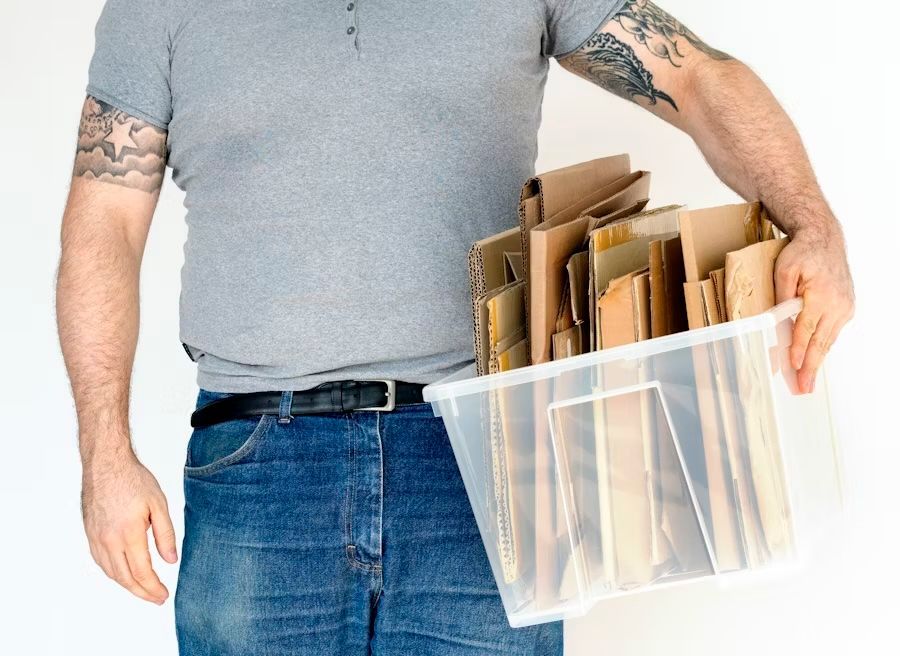
Storing your belongings at a self-storage facility is a convenient way to free up space at home, move during a transition, or keep seasonal items safe. But one thing nobody wants in their storage unit is uninvited guests, bugs, rodents, or other critters that can damage your belongings and create unnecessary stress. If you’re new to storage, it’s worth understanding when is the right time to rent a storage unit before you start packing. Need the Fast Answer? Read This Cleaning furniture, clothing, and boxes before storage helps prevent crumbs, odors, and moisture that attract pests Plastic bins with secure lids protect belongings better than cardboard boxes, which can trap moisture and attract bugs Leaving small gaps between stored items improves airflow and reduces damp conditions where pests thrive Checking your unit regularly makes it easier to catch leaks, condensation, or pest activity before damage spreads Avoid storing food, scented products, or damp items, since they commonly attract insects, rodents, and mold Why Pests Are a Concern in Storage Units Even the cleanest storage unit can attract pests if certain precautions aren’t taken. Bugs and critters are drawn to food, moisture, cardboard, and cluttered spaces, common elements in many storage units. Once they settle in, these pests can: Damage your belongings: Rodents may chew through boxes, furniture, or wiring. Insects like silverfish or termites can damage papers, fabrics, or wooden items. Create hygiene issues: Droppings, nests, or insect residue can contaminate items and create unpleasant odors. Lead to costly replacements: Damage from pests can turn a simple storage solution into an expensive headache. Fortunately, with a few careful strategies, you can dramatically reduce the risk of pests taking up residence in your unit. Prepare Your Items Before Storage The first step to keeping critters out is to make sure your belongings are ready for storage: Clean and dry everything thoroughly. Dirt, crumbs, and moisture attract pests, so wash and dry all items before packing them away. Furniture, clothing, and even electronics should be free of dirt and moisture. Avoid storing perishable or food items. Even sealed packages of food can attract insects and rodents. If you must store kitchen items, stick to non-perishable, well-sealed containers and keep them off the floor. Inspect items for signs of pests. Before putting anything in your storage unit, check for signs of existing infestations, such as webs, droppings, or tiny holes in boxes. Choose the Right Storage Containers How you pack your items can make a big difference in preventing pests, and following the best packing tips for your storage unit can help keep everything protected: Use plastic bins with tight-fitting lids. Cardboard boxes are easy for insects and rodents to chew through, while durable plastic containers create a stronger barrier. Seal boxes and wraps. Use tape to close seams and consider shrink wrap for extra protection. Elevate items off the floor. Keeping boxes on pallets or shelves reduces exposure to moisture and makes it harder for critters to reach your belongings. Maintain a Clean Storage Unit A tidy unit is a pest-free unit. Here are some tips for ongoing maintenance: Leave space for airflow. Pests thrive in damp, stagnant conditions. Proper spacing between items improves ventilation and reduces moisture buildup. Check your unit regularly. Visiting your storage unit every few weeks allows you to spot potential issues early, such as leaks, condensation, or signs of pests. Keep the surrounding area clean. If you’re using a self-storage facility like Guardian Storage, make sure outdoor items near your unit are tidy and free of debris that can attract critters. Additional Pest Prevention Tips Use natural deterrents. Cedar chips, lavender sachets, or mothballs can repel insects in smaller storage spaces. Avoid cardboard direct contact with concrete floors. Cardboard can absorb moisture, which attracts pests; placing bins on pallets or shelving is a simple fix. Keep the unit sealed. Ensure doors close properly and any gaps are addressed to prevent critters from sneaking in. Peace of Mind with Guardian Storage Protecting your belongings doesn’t have to be complicated. By preparing your items, packing them securely, and taking advantage of Guardian Storage’s safe and well-maintained storage units in Mount Airy, NC , you can enjoy the convenience of self-storage without worrying about pests. If you’re ready to store your items securely or want tips on protecting specific belongings, Guardian Storage is here to help. Visit our size guide or give us a call to get started. Our friendly team can guide you through selecting the right unit and offer advice on keeping your items safe, so you can focus on what matters most.

When you’re decluttering, moving, or simply trying to make more space at home, one of the biggest challenges is figuring out what to keep and what to let go of. It’s easy to get attached to belongings, but when every item takes up valuable space, those decisions really matter. A storage unit can be a lifesaver for keeping the things you don’t currently need but still want to hold onto. But how do you know what belongs in storage and what should be donated or tossed? The Main Takeaways Seasonal decorations, furniture between moves, family keepsakes, and infrequently used items are usually worth storing long term Broken furniture, expired products, duplicate household items, and clothes you no longer wear are often better donated or discarded Storing only valuable or meaningful belongings helps keep your unit organized and prevents paying for unnecessary space Important documents, sentimental heirlooms, and fragile valuables may be safer at home or in climate-controlled storage Decluttering before renting a unit can reduce moving costs and make packing far less stressful Why It Matters to Be Selective Not everything deserves a spot in your storage unit. Choosing carefully not only helps you save money by using the right-sized unit, and knowing what size storage unit you need can make the process even easier. Storing thoughtfully means your unit won’t become a catch-all for clutter, you’ll know it’s full of items that truly matter. Being selective also helps you decide whether storage fits your situation right now or if another solution makes more sense . Items Worth Keeping in a Storage Unit Some things are simply too valuable, seasonal, or useful to get rid of. Here are categories of items that usually make sense to keep in storage: Seasonal Items: Holiday decorations, winter gear like skis and snow blowers, or summer items like patio furniture and camping equipment don’t need to take up space year-round. A storage unit is perfect for keeping them safe until you’re ready to use them again. Furniture Not in Use: Maybe you’re downsizing, redecorating, or saving a couch or dining set for a child’s first apartment. Storing furniture allows you to hold onto these bigger items without crowding your garage or basement, just be sure to follow the best packing tips for your storage unit to keep everything protected. Sentimental or Heirloom Pieces: Family photo albums, keepsakes, or heirloom furniture often carry value that isn’t about money, it’s about memories. A clean, secure storage unit gives you peace of mind knowing those irreplaceable items are protected. Hobby or Business Supplies: Whether it’s crafting materials, sports equipment, or extra inventory for a small business, storage units can help you stay organized while keeping your home clutter-free. Items Better Off Donated or Tossed Just as important as knowing what to keep is recognizing what doesn’t need to come with you. Here are things that are usually better donated or discarded: Clothes You Haven’t Worn in Years If you haven’t reached for it in a year or two, chances are you won’t again. Donating gently used clothing helps others while freeing up space for things you actually wear. Outdated Electronics That drawer of old cords, DVD players, or broken gadgets? Most of those items won’t ever be useful again. Recycle or dispose of them responsibly instead of letting them sit in storage. Duplicate Household Items Extra sets of pots, pans, or bedding might feel worth saving, but if you already have what you need at home, duplicates only create clutter. Bulky Equipment Rarely Used That treadmill you swore you’d use or the oversized appliance gathering dust may not be worth the space they take up. Consider selling, donating, or recycling them. Prohibited or Perishable Items For safety reasons, you can’t store things like food, flammable materials, or hazardous chemicals. These should always be discarded or disposed of properly. Tips for Making the Decision Sorting items can feel overwhelming, but a few simple guidelines can make the process easier: The One-Year Rule: If you haven’t used something in the past year, ask yourself if you’ll realistically use it in the next year. Think About Replacement Cost: If it’s inexpensive and easy to replace, it may not be worth saving. Consider Emotional Value: Keep items with true sentimental meaning, not just out of guilt. Ask “Does This Add Value to My Life?” If the answer is no, it’s probably time to let it go. How Guardian Storage Can Help Once you’ve sorted your belongings, you’ll want a safe and convenient place for the items you choose to keep. At Guardian Storage, we offer clean, secure storage in Mt. Airy with units in a range of sizes to fit your needs.. Whether you’re storing family heirlooms, seasonal gear, or furniture between moves, you can trust us to keep your belongings protected and accessible when you need them. Visit our size guide or give us a call and let us help you find the right fit for your treasured items.