How to Store a Couch in a Storage Unit: A Complete Guide for Long-Term Protection
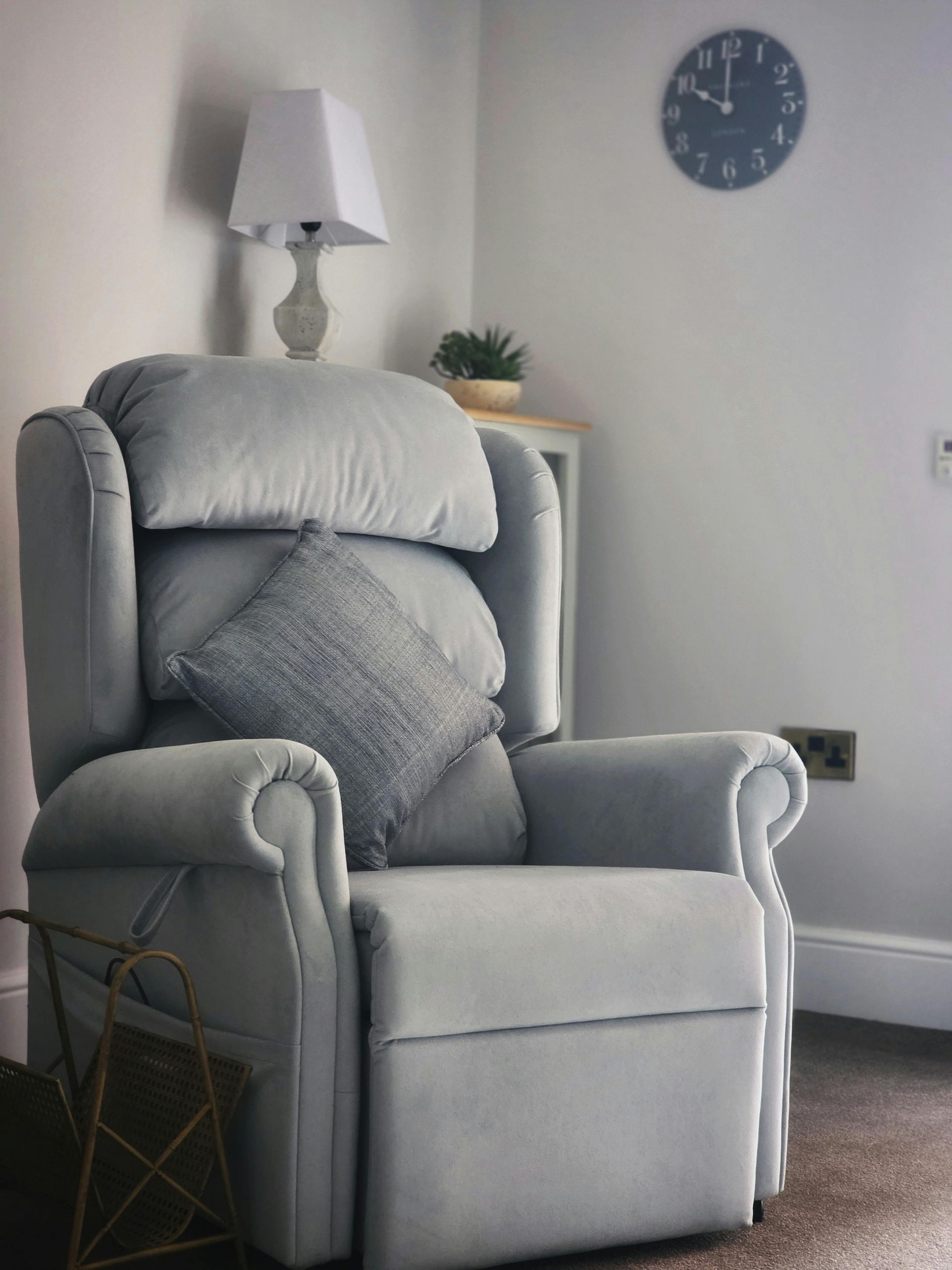
When preparing furniture for storage, taking the right steps early can make a noticeable difference in how well your items hold up over time. Large pieces, such as couches, require more than just moving them into a unit and closing the door. Facilities like Guardian Storage provide a secure and well-maintained environment with a variety of storage solutions in North Carolina, but the way you prepare your couch still plays a central role in how well it lasts.
Mount Airy, North Carolina, offers a setting where both climate and lifestyle influence storage decisions. The area is known for its scenic surroundings and seasonal changes, which means furniture may sit in storage through varying levels of humidity and temperature. Understanding these local factors helps create a storage plan that protects your couch for the long term.
Quick Takeaways Before You Dive In
- How to properly prepare a couch for short-term or long-term storage
- Why cleaning and drying your couch before storage helps prevent odors, mold, and damage
- The best ways to wrap and protect upholstery, cushions, and couch frames during storage
- Tips for choosing the right storage unit environment, including climate-controlled options
- How to position a couch safely inside a storage unit to avoid warping or sagging
- Common mistakes people make when storing couches and how to avoid them
- Practical advice for keeping your couch clean, comfortable, and ready to use when storage ends
Why Proper Couch Storage Matters
A couch is not just another household item. It combines fabric, cushioning, and structural materials like wood or metal, all of which respond differently to environmental conditions. When these elements are exposed to moisture, heat, or pressure over time, they can deteriorate in ways that are often difficult to reverse.
Humidity is a key concern in North Carolina. The region frequently experiences elevated humidity levels, particularly during warmer months. This creates conditions where trapped moisture can lead to mold, mildew, or lingering odors if furniture is not properly prepared. Taking the time to store your couch correctly helps maintain its shape, prevents material breakdown, and ensures that it is ready for use when you need it again. It also reduces the likelihood of costly repairs or replacements.
Step 1: Start with a Deep Clean
Cleaning your couch before storage is one of the most important steps, yet it is often underestimated. Any dirt, oils, or food particles left behind can settle into the fabric and become more difficult to remove over time. In some cases, they may even attract pests or create unpleasant odors. Begin by vacuuming the entire couch, including underneath cushions and along seams. Pay close attention to crevices where debris tends to collect. If your couch is upholstered, use a cleaner designed for that specific material. Leather couches require conditioning to prevent cracking, while fabric couches benefit from a gentle but thorough cleaning process.
Once cleaned, allow the couch to dry completely. This step cannot be rushed. Even a small amount of moisture left in the fabric can become trapped during storage, especially in a humid environment like Mount Airy. Giving your couch enough time to air dry ensures that you are not sealing in moisture before storage.
Step 2: Disassemble for Better Protection
Disassembling your couch makes it easier to handle and reduces stress on its structure. Removing legs, detachable cushions, or sectional components helps prevent strain on joints and minimizes the risk of damage during transport and storage.
Each piece should be wrapped individually, which allows for better protection and more flexibility when arranging items inside the storage unit. Hardware, such as screws or bolts, should be placed in a clearly labeled bag so that reassembly is straightforward later. This step also helps optimize space within your unit. By breaking the couch into smaller components, you can arrange items more efficiently without placing unnecessary pressure on any single part.
Step 3: Use Breathable Materials for Wrapping
Wrapping your couch correctly is essential for protecting it from dust and environmental exposure. However, the choice of material matters more than many people realize. While plastic wrap may seem like a convenient option, it can trap moisture and create conditions where mold or mildew can develop.
Instead, use breathable materials such as cotton sheets or furniture blankets. These allow air to circulate while still providing a protective barrier. A layered approach works well, starting with a soft fabric covering and adding padded blankets for extra cushioning. The goal is to shield the couch without sealing it completely. Airflow plays a critical role in maintaining a dry and stable environment, particularly in regions where humidity can fluctuate throughout the year.
Step 4: Select the Right Storage Unit
The type of storage unit you choose can significantly influence how well your couch is preserved. Climate-controlled units are often the best option for furniture because they regulate temperature and humidity levels. This helps prevent materials from expanding, contracting, or absorbing excess moisture.
In Mount Airy, where summers can be warm and humid while winters are cooler, climate control provides consistency that protects both upholstery and structural components. Even if your couch includes wood elements, understanding proper storage methods is important. Resources like our guide on how to store wood furniture without climate control offer additional context for handling different materials. Choosing the right unit creates a stable environment that supports all the preparation steps you have already taken.
Step 5: Elevate and Position with Care
Placement inside the storage unit is just as important as preparation. Setting your couch directly on the floor can expose it to potential moisture or temperature variations. Elevating it slightly using pallets or boards creates a barrier and improves airflow underneath.
Positioning also matters. Keeping the couch in its natural orientation helps maintain the integrity of its frame and cushioning. While standing a couch upright may save space, it can place uneven pressure on certain areas, which may lead to warping or deformation over time. Avoid stacking heavy items on top of the couch. Even moderate weight applied over a long period can affect its shape and comfort.
Step 6: Maintain Airflow and Organization
A well-organized storage unit supports better preservation of all items inside, including your couch. Packing items too tightly can restrict airflow and create pockets where moisture accumulates. Leaving small gaps between items allows air to circulate more freely.
Moisture control products, such as silica gel or desiccant packs, can provide additional protection. These are especially useful in environments where humidity levels may rise during certain seasons. For a more detailed approach to organizing your space, our resource on the best packing tips for your storage unit outlines practical strategies that improve both accessibility and protection.
Step 7: Consider Mount Airy’s Local Environment
Mount Airy is widely recognized for its connection to outdoor recreation and scenic beauty. Located near the Blue Ridge Mountains, the area offers access to destinations like Pilot Mountain State Park, where hiking, climbing, and nature exploration are popular activities.
This lifestyle often leads residents to rotate furniture or clear space for seasonal gear, which increases the need for reliable storage solutions. At the same time, the region’s climate patterns can influence how items should be stored. Warm, humid summers combined with cooler months create a cycle that furniture must withstand while in storage. By understanding how local conditions interact with stored items, you can make more informed decisions that protect your couch over time.
Common Mistakes That Can Lead to Damage
Even with careful planning, certain oversights can lead to unnecessary wear or damage. Skipping the cleaning process, for example, allows dirt and oils to settle into the fabric, which can become more noticeable over time. Using non-breathable materials traps moisture, increasing the risk of mildew. Another common issue is placing items directly on the floor or packing the unit too tightly. Both of these reduce airflow and create conditions where moisture can accumulate. Taking a more deliberate approach to preparation and organization helps avoid these problems and ensures that your couch remains in good condition.
How Long Can a Couch Stay in Storage
With proper preparation and the right storage environment, a couch can remain in storage for an extended period without losing its quality. The key is consistency. Maintaining stable conditions and checking on your unit occasionally helps prevent small issues from developing into larger concerns. If possible, periodic inspections allow you to adjust coverings, reposition items, or address any signs of moisture early. This proactive approach keeps your couch in a condition that is ready for use whenever you need it again.
Learning how to store a couch in a storage unit involves more than a single step. It is a process that includes cleaning, careful wrapping, thoughtful placement, and awareness of environmental factors. Each step contributes to preserving the comfort, appearance, and structure of your furniture. For those in Mount Airy, NC, taking local climate conditions into account adds another level of protection. With proper preparation and a dependable facility like Guardian Storage, your couch can remain well-protected and ready to fit seamlessly back into your storage space in North Carolina when the time comes.