The Best Packing Tips for your Storage Unit
Packing a storage unit in Mount Airy isn’t just about moving boxes from point A to point B—it’s a thoughtful process that blends planning with practicality. When done correctly, careful packing helps prevent items from shifting, falling, or getting damaged. It also makes it far easier to locate what you need later without digging through every box. Most importantly, organized storage protects your belongings from dust, grime, unwanted visitors, and unnecessary wear, helping them stay in good condition for the long haul.
Key Points for Readers in a Hurry
- Heavy boxes should always go on the bottom, with lighter and fragile items stacked higher to prevent crushing and collapsing
- Leaving a walkway through the center of the unit makes it easier to reach items without unpacking the entire space
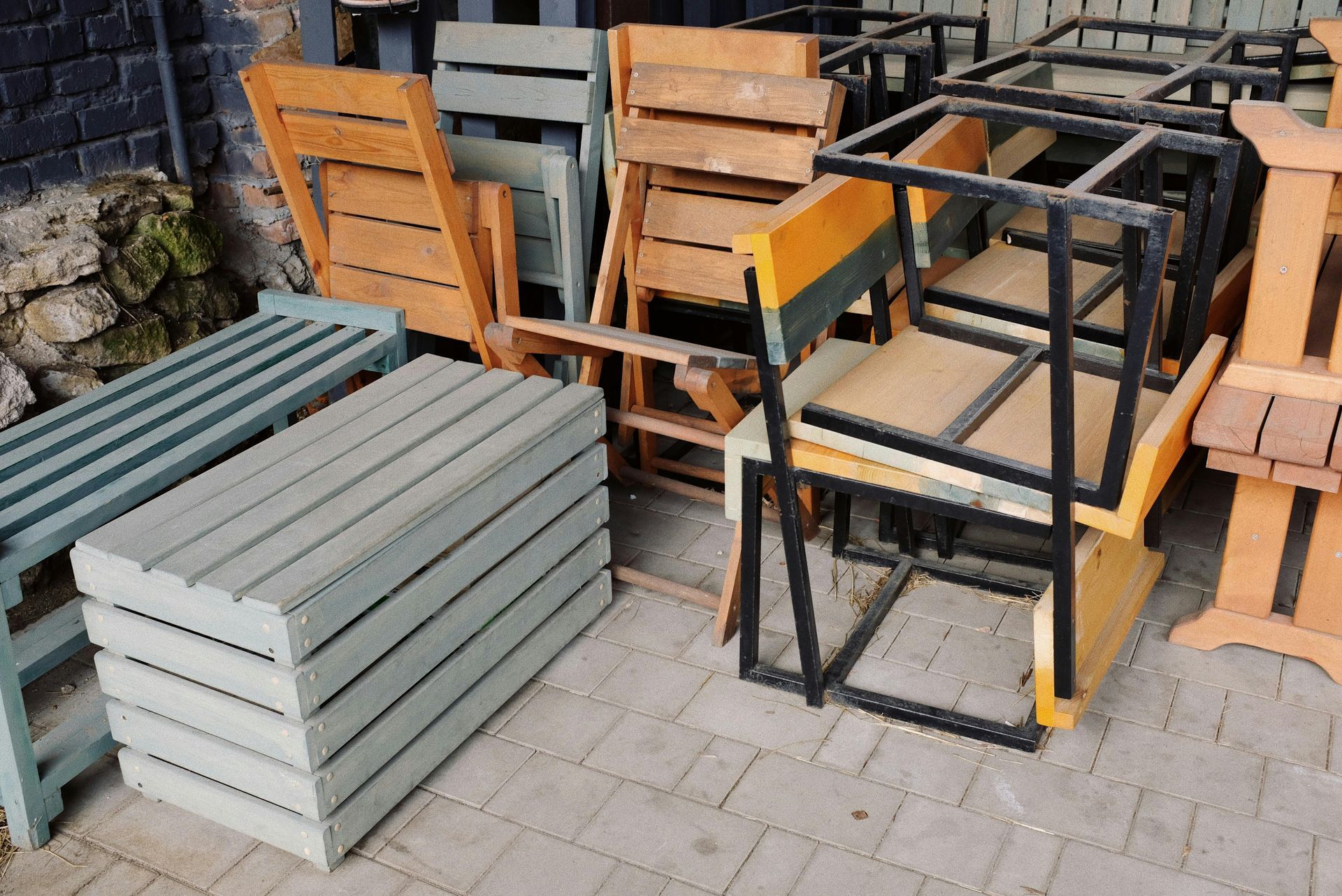
- Disassembling bed frames, tables, and large furniture creates more usable storage space and helps items stack more efficiently
- Clearly labeled boxes and an inventory list make it much easier to find belongings months later without opening every container
- Damp items should never go into storage, since trapped moisture can lead to mold, mildew, odors, and damaged belongings
Below are practical tips to help you make the most of your self-storage space.
How to Choose the Right Storage Unit Size
- Before you start boxing anything up, consider what you want to keep and what to donate or toss out
- Consider the dimensions and quantity of the items you plan to store.
- Think through how everything will be arranged before moving in.
- Remember that most storage units are about 8 feet tall, allowing you to stack upward—not just spread out on the floor.
- If larger items can’t be taken apart, plan to place smaller items inside, underneath, or on top of them.
- Decide whether you’ll need a walkway down the center so you can reach items stored in the back.
- For long-term storage, consider seasonal items you may need to access at different times of the year.
- Don’t hesitate to ask to view a unit in person before signing an agreement—it can help you choose wisely.
Best Practices for Packing Boxes
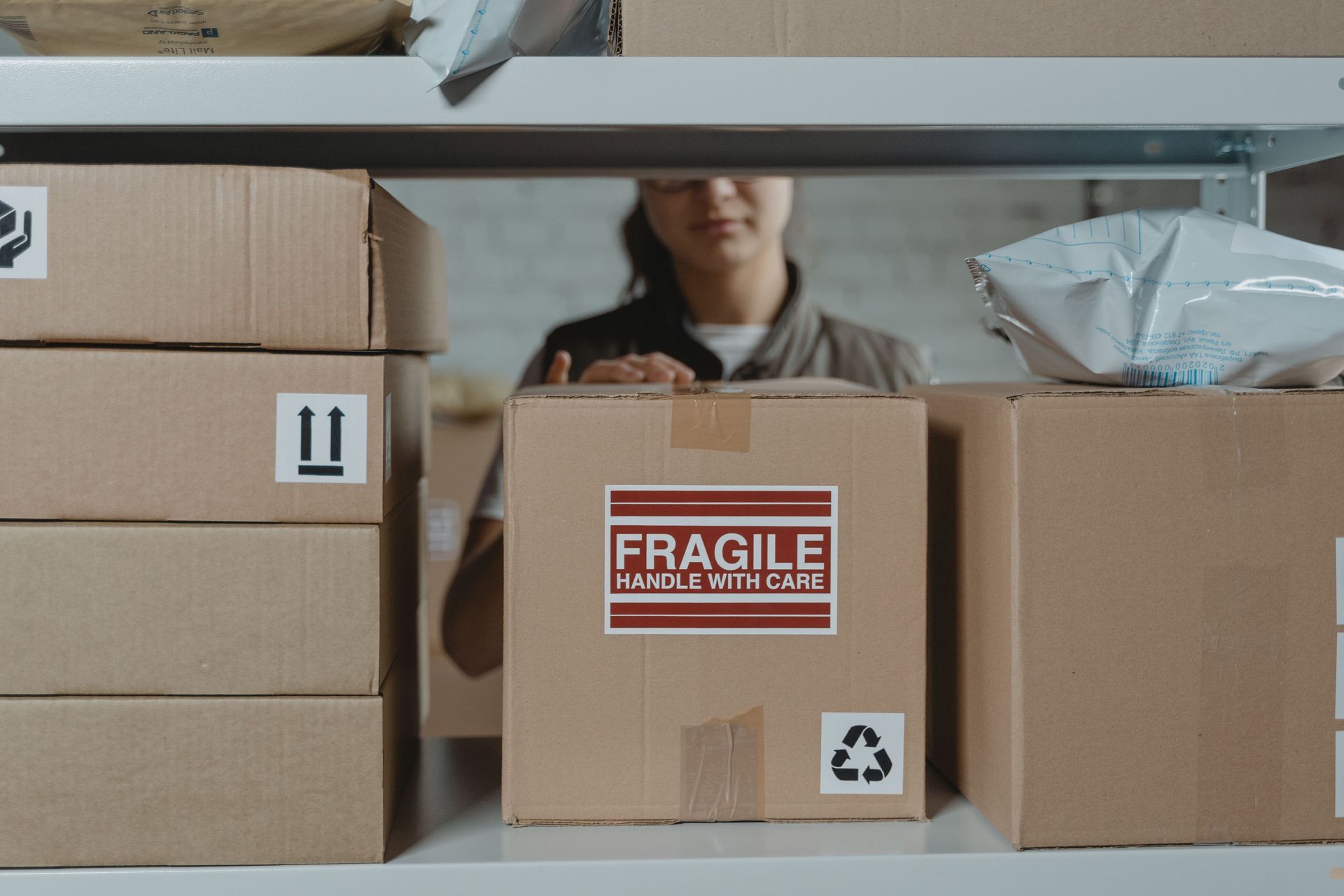
- Create an inventory before packing. Assign items to specific boxes and label each box clearly on all sides and the top. If you plan to insure your belongings, note estimated replacement values. Mark boxes containing fragile items accordingly.
- Stick to one or two box sizes to make stacking more stable and organized. Always use sturdy boxes that can handle weight from above.
- Box as many items as possible to protect them from dust buildup.
- Fill boxes completely so they don’t collapse, but avoid making them too heavy to lift. Place heavier items at the bottom and lighter items on top.
- Avoid sealing items in plastic bags for long-term storage, as trapped moisture can lead to mildew.
- Pack books in smaller boxes and lay them flat to prevent spine damage.
- Store appliances only after they’re fully dry. Defrost refrigerators and freezers, drain washing machines, and leave appliance doors slightly open to allow airflow.
- Wrap delicate items like glassware, mirrors, and picture frames with bubble wrap or packing paper.
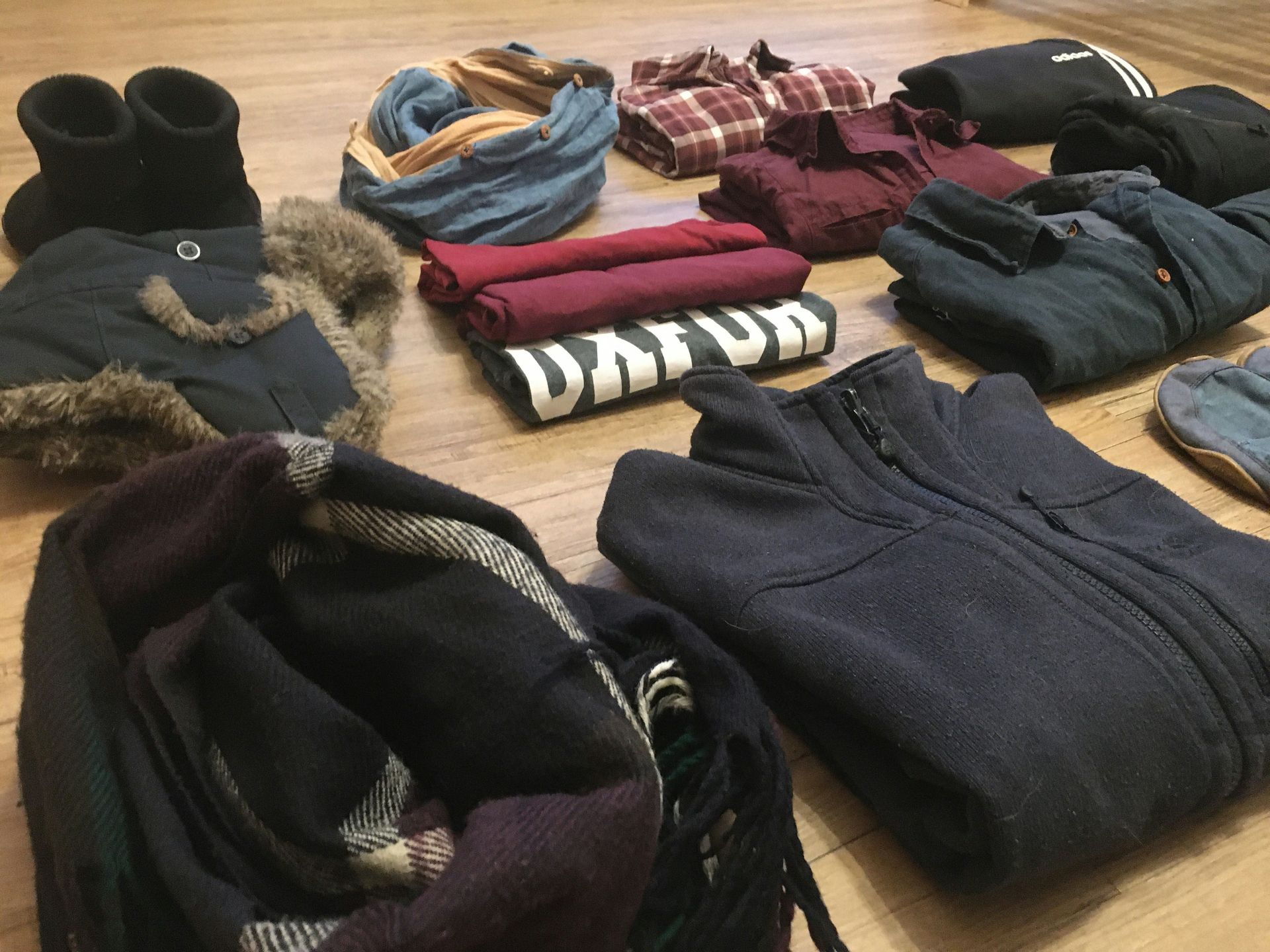
- Use wardrobe boxes for clothing to keep garments clean and maintain their shape.
- When wrapping items, choose fabric or paper instead of plastic.
- Drain fuel from lawn equipment or tools, and lightly oil metal parts to help prevent rust.
- Seal all boxes tightly with packing tape to keep out dust.
Organizing Your Storage Unit Efficiently
- Start with a plan. A clear layout will save time and frustration later.
- Never store damp items, as moisture can cause mold, mildew, and damage.
- Store mirrors and framed items upright, not flat.
- Stack boxes in manageable rows rather than large, unreachable piles. Keep heavier boxes on the bottom and lighter ones on top.
- Leave a clear aisle so you can access boxes without moving everything around.
- Place frequently used items near the front of the unit.
- Clearly label every box so you know what’s inside at a glance.
- Disassemble furniture when possible to save space. Keep all hardware in a labeled bag or container.
- Take advantage of empty spaces inside large items like dressers, wardrobes, or appliances by storing boxes inside them.
Understand Your Insurance Coverage
Protecting your stored belongings is especially important for long-term storage. Many renters overlook insurance when signing a storage agreement, but coverage can provide valuable peace of mind. Some facilities offer storage-specific insurance plans, while your existing homeowners or renters policy may already offer limited coverage. It’s a good idea to review your options and confirm what’s protected before storing valuable items.
Packing and organizing your belongings the right way helps prevent damage, saves space, and ensures your items stay in great condition for years. Just as important is choosing a storage facility that prioritizes safety, security, and cleanliness—because where you store your items matters just as much as how you pack them.